
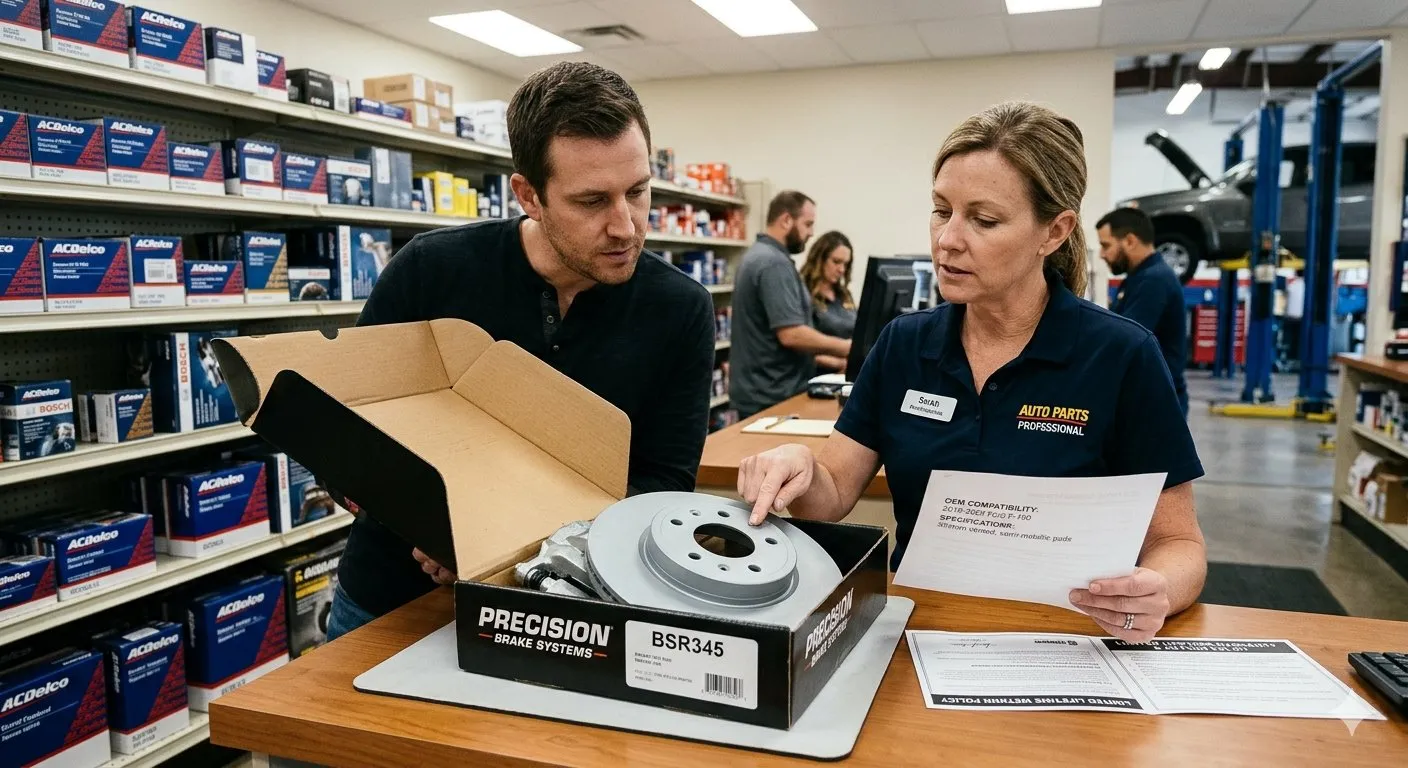
A low price does not automatically make a purchase straightforward. The usefulness of an automotive parts retailer also depends on fitment information, listing clarity, shipping terms, customer support, and the handling of genuine mistakes. Vehicle owners often discover these factors only after a mismatch or delayed shipment. Evaluating a seller before ordering makes decisions more predictable, particularly for components needed during a scheduled repair. The goal is not to find a perfect store but to understand the service behind the product listing.
Start With Clear Fitment Data
Useful product listings identify relevant vehicle configurations and note exclusions where necessary. Look for year, make, model, engine, trim, and technical details that genuinely distinguish versions. Search tools are convenient, but buyers should still cross-check a part number or original component when possible. Vague descriptions make an inexpensive item riskier. If two entries appear identical yet specify different applications, ask for clarification before ordering rather than choosing at random. Clear fitment information distinguishes a dependable listing from an uncertain one.
Read Shipping Details
Shipping cost, origin, processing time, and delivery estimates can change the practical value of an offer. Distinguish between an item being in a catalog and being available for immediate dispatch. If a repair appointment depends on arrival, allow a margin for delays and inspect the shipment before vehicle disassembly. Read delivery policies rather than assuming every order qualifies for a promotion. Reliable planning is often more important than receiving an optimistic estimate at checkout. Realistic dispatch details help coordinate deliveries with workshop appointments.
Understand the Return Process
Read the conditions for returning unused, electrical, special-order, or installed components. Confirm the time limit, packaging requirements, and responsibility for shipping costs. Keep the invoice and photograph any damage promptly. A fair process should be understandable before a problem arises. Even a legitimate buyer error can become expensive if packaging is discarded or a component is altered. Knowing the terms encourages better inspections immediately after delivery and before installation begins. Read restrictions on returns before opening or installing a part.
Look for Useful Support
Customer support is most valuable when a listing leaves a genuine technical question unanswered. Check whether the seller provides a route for order questions, fitment concerns, and returns. When asking for help, supply the VIN where appropriate, engine details, and existing part markings. A specific question is more likely to receive a useful answer than a general request for “something that fits.” Keep a written record of important confirmations related to a particular purchase. Written fitment responses are useful if the shipment differs from expectations.
Compare Total Transaction Cost
The checkout price may omit shipping, taxes, consumables, or related installation needs. A cheaper component can also become costly if a second order or extra repair appointment is required. Compare like-for-like package contents and delivery conditions. For urgent work, a higher initial price with clearer fitment and suitable delivery may represent better value. The aim is to understand the whole transaction rather than focus exclusively on one number displayed beside the product photograph. Compare shipping, return terms, and specifications, not merely listed prices.
Treat Reviews as Clues
Customer reviews can reveal recurring concerns about packaging, accuracy, or delivery, but individual experiences may be incomplete or unverified. Look for patterns and detailed descriptions rather than relying on a single extreme comment. Technical compatibility should still come from authoritative fitment information. Be cautious when a seller promises universal compatibility or makes broad quality claims without evidence. A balanced assessment uses several sources of information and remains aware that situations differ. Look for recurring customer-service patterns rather than isolated reviews.
Check After Arrival
A good purchasing process continues when the box reaches the door. Compare the delivered item with the invoice and the vehicle before removing seals or packaging. Inspect for damage and verify quantity and included hardware. Report discrepancies promptly under the published policy. Do not force an almost-fitting part into place. A timely receiving check protects the repair schedule and can make any necessary resolution more straightforward for both buyer and retailer. Inspect deliveries promptly to flag possible fitment problems before installation.
Conclusion
Choosing a parts supplier involves more than sorting products by price. Fitment data, delivery conditions, practical support, package clarity, and understandable returns all influence the outcome of a repair. Buyers should compare the total transaction and inspect shipments promptly. TeamVehicle can be evaluated against these same criteria alongside other sellers. Clear expectations at each stage reduce uncertainty, making it easier to focus on the actual vehicle problem rather than an avoidable ordering dispute. Transparent specifications and accessible support reduce purchasing complications.