
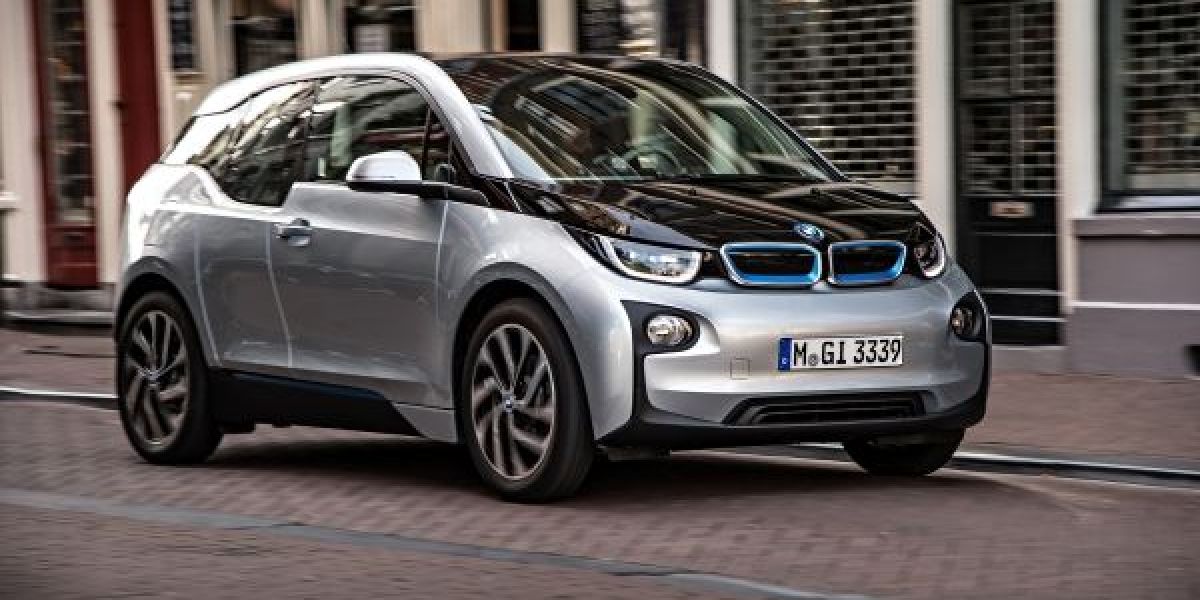
The BMW i3 was never designed to blend in. Its tall, compact shape, contrasting panels, and distinctive window line made it instantly recognisable, even among other small cars. Any exterior styling for the i3 therefore needs to respect that original idea. The goal is not to make it look like a sports coupe, but to refine its modern, architectural character.
Owners are often drawn to the i3 because it feels different to drive and to live with. It is easy to park, quiet in traffic, and well suited to short journeys and city streets. Styling additions should support those strengths. They should emphasise the car’s clean surfaces and clever proportions, avoid adding unnecessary bulk, and leave the practical features that make the i3 useful in daily life fully intact.
Why the i3 Invites a Different Kind of Styling
Many styling packages are designed around low, wide cars with long bonnets and aggressive proportions. The i3 is the opposite: short, tall, and upright, with a strong vertical emphasis and a distinctive two-tone treatment on many examples. On the i3, restraint usually works better. Subtle lower-body detailing, careful use of dark trim, and consistent finishes can sharpen the car’s silhouette without fighting its fundamental shape.
The i3’s design also relies heavily on the relationship between its body panels and glass. The large windows, black roof area, and contrasting lower sections create a layered look. The most successful i3 styling tends to follow existing lines, extend them gently, and use materials that complement the car’s modern, technical feel rather than overwhelming it.
Lightweight Thinking and the i3’s Character
Lightness was central to the i3’s engineering, with a carbon-fibre passenger cell and aluminium structure helping to offset battery weight. Dark, technical materials suit the i3 well, particularly when they echo the black trim and glass areas already present. A heavy-looking, bulky addition would feel inconsistent with a car that was designed to feel light and agile.
Visual weight matters as much as physical weight. A deep front extension or an oversized rear diffuser can make a small car look bottom-heavy, even if the parts themselves are light. On the i3, slimmer and more precise detailing often has a stronger effect. Proportion, rather than size, is the key consideration.
Where Visual Weight Matters Most
The lower body is where visual weight is most easily managed. Dark lower trim can reduce the perceived height of the body and give the car a more grounded stance.
Components That Work Together on a Small Electric Car
A coordinated exterior package for the i3 typically includes front, side, and rear elements that share the same material and finish. When these parts are designed together, the car gains a continuous lower line that makes its shape feel more resolved. When they are chosen in isolation, the result can feel fragmented, with one area looking finished and another looking untouched.
For owners exploring a bmw i3 2022 dry body kit model-year compatibility deserves particular attention. The 2022 car represents a late stage in the i3’s production life, and trim, bumpers, and optional equipment can vary. Confirming that a package is intended for that model year, and checking how it interacts with the car’s existing bumpers and side panels, helps avoid fitment surprises. A supplier or fitter should be able to explain whether any trim needs to be removed, adjusted, or retained.
Sensors, Charging, and Other EV-Specific Checks
Electric cars introduce styling considerations that do not apply in the same way to conventional cars. Parking sensors, cameras, and driver-assistance sensors are often integrated into bumpers and mirrors, and they must remain clear and correctly positioned. Before fitting, it is worth identifying every sensor and camera in the areas to be modified and confirming that none will be obstructed.
Charging access is another practical check. The i3’s charging port must remain easy to open and use, and no trim should make the flap difficult to operate or prevent the cable from seating correctly. Cooling inlets and aerodynamic features should also be left unobstructed, as electric vehicles still rely on airflow for battery and motor thermal management in certain conditions.
Why Sensor Placement Deserves Extra Care
Sensors are calibrated to work in specific positions, and even a small change in surrounding trim can affect their field of view. A part that sits proud of a sensor, or that creates a new edge close to it, can cause false readings or reduced sensitivity.
Daily Life in the City: Parking, Kerbs, and Practicality
The i3 is at its best in the city, where its compact footprint, tight turning circle, and instant response make manoeuvring easy. Styling should not undermine those advantages. Owners who park in multi-storey car parks, use narrow driveways, or regularly parallel park should favour parts that stay close to the car’s original outline.
Frequently Asked Questions
1. Is exterior styling suitable for a car used mainly in the city?
Yes, provided the parts are chosen for the environment. Slim, well-fitted trim that stays close to the body is usually more practical than large, low extensions in urban use. Owners should consider kerbs, ramps, and tight parking spaces, and should check clearance before choosing parts.
2. Will styling parts affect the i3’s sensors or charging?
They should not, if compatibility is checked carefully. Sensors, cameras, and the charging port must remain unobstructed, and any part fitted near them should be test-fitted first.
3. How can I keep the styling looking consistent over time?
Consistency comes from using matching materials and finishes across all parts, and from regular care. Wash the car with a gentle routine, avoid abrasive products, and inspect edges and fixings periodically.
Conclusion
Styling the BMW i3 is an exercise in restraint and respect for the car’s original concept. Its compact, upright shape and lightweight philosophy reward precise, well-matched detailing rather than bold additions borrowed from larger performance cars. A coordinated package, fitted carefully and checked against the car’s sensors and charging features, can sharpen the i3’s modern appearance while preserving everything that makes it easy and pleasant to use every day.
The most satisfying results are often the quietest ones. When the styling feels like a natural extension of the car’s design, rather than an overlay, the i3 retains its distinctive character and gains a more finished, intentional presence on the road.